Friendly Diamonds
Diamond prices, read Oct 2, 2026
Know what a diamond costs
Real listings from online jewelers, by shape, carat and origin, with the price and the day we read it. Before you walk into a store, know the numbers.
- $14,330
- 2.01 ct round I VS1, natural
- $1,770
- Same weight and grades, lab-grown
Brilliant Earth listings, read Oct 2, 2026. See source
Prices from the jewelers' pages
Brilliant Earth
All lab grown diamonds
Check pricesOpens Brilliant Earth's site. Not a referral link.
With Clarity
1 to 2 carat lab grown diamonds
Check pricesOpens With Clarity's site. Not a referral link.
- Free to readNo account, no appointment
- Real listed pricesRead from jewelers' own pages
- Every price has a sourceLinked to the listing page
- DatedEach price shows the day we read it
Same shape, same grades: natural vs laboratory-grown
Origin moved the price more than anything else we read. Each row is two real listings on the same morning.
| Stone | Natural | Laboratory-grown | Lab price as share of natural |
|---|---|---|---|
| Round, 2.01 ct, I, VS1 (Brilliant Earth)1 | $14,330 | $1,770 | 12% |
| Round, 1.50 ct, natural F VS1 / lab D VS1 (Blue Nile)2 | $9,696 | $1,011 | 10% |
| Emerald, 2.00 ct, D, VVS1 (Brilliant Earth)3 | $24,720 | $2,450 | 10% |
| Cushion, about 1.5 ct, G, VVS1 (Brilliant Earth)4 | $9,000 (1.50 ct) | $1,330 (1.52 ct) | 15% |
| Source | Jewelers' natural listingsRead Oct 2, 2026 | Jewelers' lab-grown listingsRead Oct 2, 2026 | Our arithmeticRead Oct 2, 2026 |
Prices as listed on October 2, 2026. Cut grades match within each row except the Blue Nile row, where both are Excellent cut but the colour differs (the lab stone has the higher colour grade).
A sensible order for pricing a ring
Step 1
Decide on origin first
Natural or laboratory-grown changes the budget more than any grade. See lab-grown vs natural prices.
Step 3
Choose a weight with the steps in mind
Prices jump at round numbers like 1.00 and 1.50 carats. See carat weight and price. Lab-grown prices by weight: 1 carat lab-grown, 1.5 carat lab-grown, 2 carat lab-grown and 3 carat lab-grown.
Step 4
Add the setting
A plain solitaire setting is a separate line on the bill: setting prices. For a whole ring at a fixed budget, see the $2,000 ring guide, the $5,000 ring guide and the 2 carat lab diamond ring cost.
Tens of thousands of stones, made comparable
Jewelers list tens of thousands of stones each: on October 2, 2026, Brilliant Earth's round diamond pages alone showed 57,616 natural and 71,160 laboratory-grown stones1. We read the listing pages, record shape, carat, cut, colour, clarity and price, and publish the comparisons that help a decision: how much a natural stone costs next to a laboratory-grown stone of the same grade, and how price moves with weight.
Every button opens the jeweler's own page, where the current price and terms are. The order of cards is not a ranking, and when a jeweler does not publish something, we leave it out.
If you are also thinking about resale value down the line, LuxeResale Guide shows what platforms charge to sell jewelry and watches, with the fee tables side by side.
Built from the jewelers' own listings
- Listing pages read and linked
- 38
- Sources cited across the site
- 56
- Shapes and parts covered
- 5
- Last checked
- Nov 18, 2026
Guides that change the budget
- OriginLab-grown vs natural: the price gapMatched pairs from 0.3 to 2 carats, and how laboratory-grown stones must be labelled.Read the guide
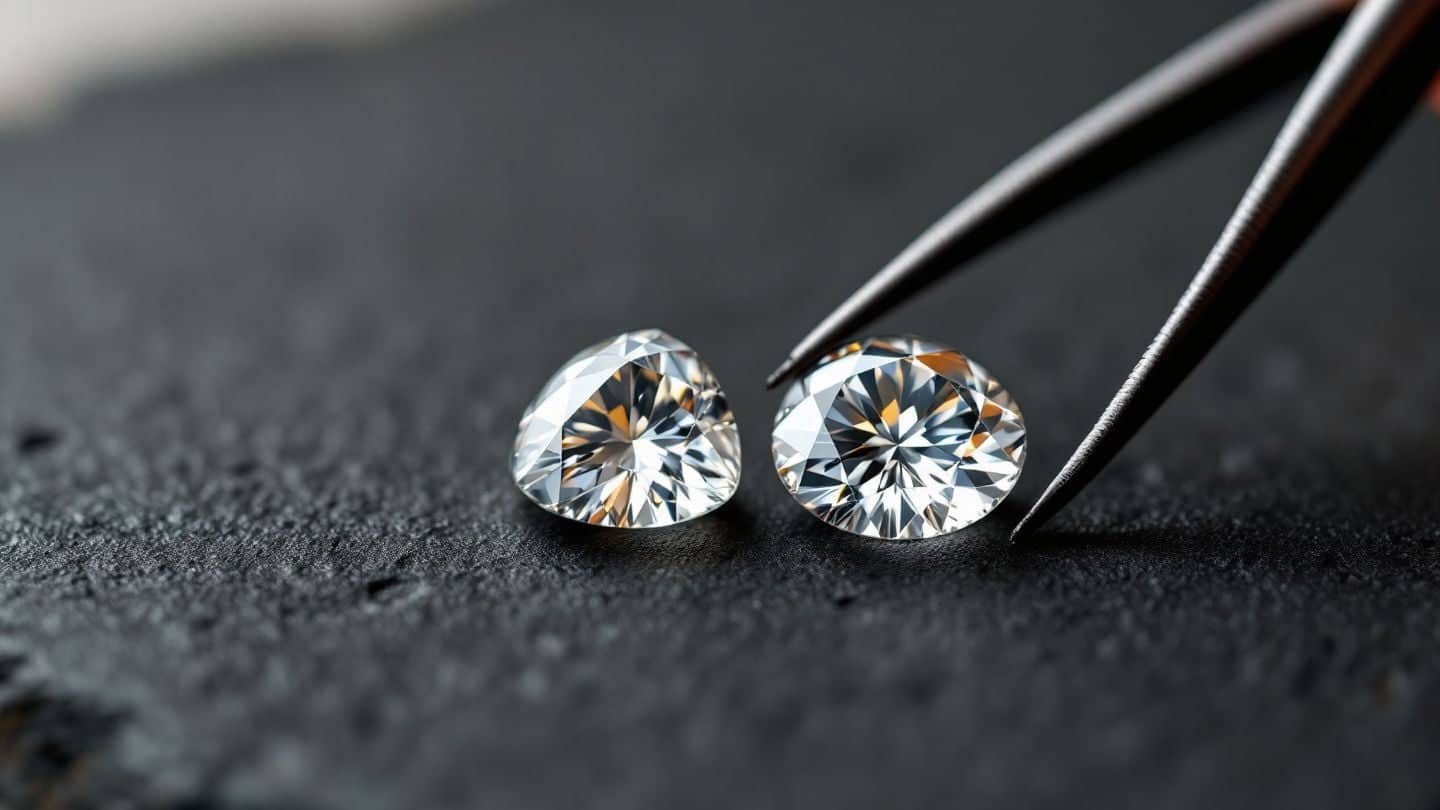
- WeightCarat weight and priceWhy 1.00 carat costs much more than 0.95, and what the FTC requires for fractional weights.Read the guide
- BudgetHow much to spend on an engagement ringA budget guide built on real October prices, and where a salary-based rule fits.Read the guide
- SalaryRing budget by salaryOne, two and three months of pay, worked through as arithmetic.Read the guide
Proposing this holiday season?
Two dated pages for a December ring: the order-by dates behind a Christmas or New Year proposal, and how to read a Black Friday diamond price.
| If you are asking | Start with | Link |
|---|---|---|
| When do I have to order for a Christmas proposal? | Order-by dates from the jeweler's stated lead times | See the timeline |
| Are Black Friday lab diamond deals real? | What is live today, and the struck-through price explained | Read the deals page |
| How much should the ring cost? | Budget guide with real October prices | Set a budget |
Questions people ask first
Are laboratory-grown diamonds real diamonds?
Under the FTC Jewelry Guides a laboratory-created stone with the same optical, physical and chemical properties as a mined diamond may be called a diamond only with a clear qualifier such as "laboratory-grown" or "laboratory-created"5.
Why do your prices differ from what I see now?
Listings sell and prices change. We show the price we read and the date; the jeweler's page shows today's price.
Does RingPrice Index charge anything?
No. You buy from the jeweler directly, at the jeweler's price. We never ask for your details.
Before you choose a stone
Natural or lab-grown?
Matched natural and laboratory-grown pairs from 0.3 to 2 carats, and the labelling rules jewelers follow.
About this page
We may be paid when you buy through links on this page.
We may be paid when you buy through links on this page.
Diamond listings change by the hour: stones sell, prices move and sales start and end. Every price here is the merchant's listed price on the date shown. The merchant's own page is the final word on price, availability and terms.
RingPrice Index does not sell jewelry, does not grade stones and does not take your details. We read merchants' public listing pages and report what they showed.
Latest from the blog
All postsCarat weight vs size: why a carat is not a millimeter
Carat measures weight, not width. How density, cut depth and girdle thickness change how big a diamond looks, and where the millimeter numbers live.
Diamond fluorescence: what GIA and AGS reports say
What the fluorescence line on a diamond report means, how GIA and AGS word it, what a GIA study found about appearance, and why prices can shift.
Where the Hope Diamond and other famous stones came from
The Hope, the Koh-i-noor and the Cullinan: where three famous diamonds began, how they traveled, and which parts of their stories are still unsettled.